If you’re selling your Hidden Hills home so you can buy your next one, the stakes can feel twice as high. You want to protect your equity, avoid timing headaches, and still make your home stand out in a market where buyers have options. The good news is that a smart plan can help you do all three. Here’s how to approach a move-up sale in Bend’s 97702 market with more confidence and less guesswork.
Understand the Hidden Hills market first
For Hidden Hills sellers, the biggest mistake is assuming the market will do all the heavy lifting. Current 97702 data shows a more selective environment, with a median sale price of $689,900, about 1 offer on average, and 88 median days on market, according to Redfin’s 97702 housing market data. That means buyers are still active, but they are taking their time and negotiating carefully.
The broader Bend market tells a similar story. Redfin’s Bend housing market report shows a 98.2% sale-to-list ratio and 23.8% of listings with price drops. In plain terms, pricing precision matters more than chasing an aspirational number and hoping the market catches up.
Price for net proceeds
As a move-up seller, your real goal is not just a high list price. Your goal is strong net proceeds that help fund your next purchase. If your down payment and closing costs depend on this sale, every pricing decision should support that outcome.
That matters even more in a rate-sensitive market. Freddie Mac’s Primary Mortgage Market Survey reported the 30-year fixed-rate mortgage at 6.38% on March 26, 2026, which helps explain why some buyers are more disciplined on price and concessions. A home that is priced well from the start may create more momentum than a home that sits and requires reductions later.
Why neighborhood-level pricing matters
For a Hidden Hills home, countywide averages can only tell you so much. Bend, 97702, and Deschutes County each show different price points and market pace, so your pricing strategy should stay focused on the most relevant local comparables. That is especially important when you are trying to balance a sale timeline with plans for your next home.
Prepare your home before it hits the market
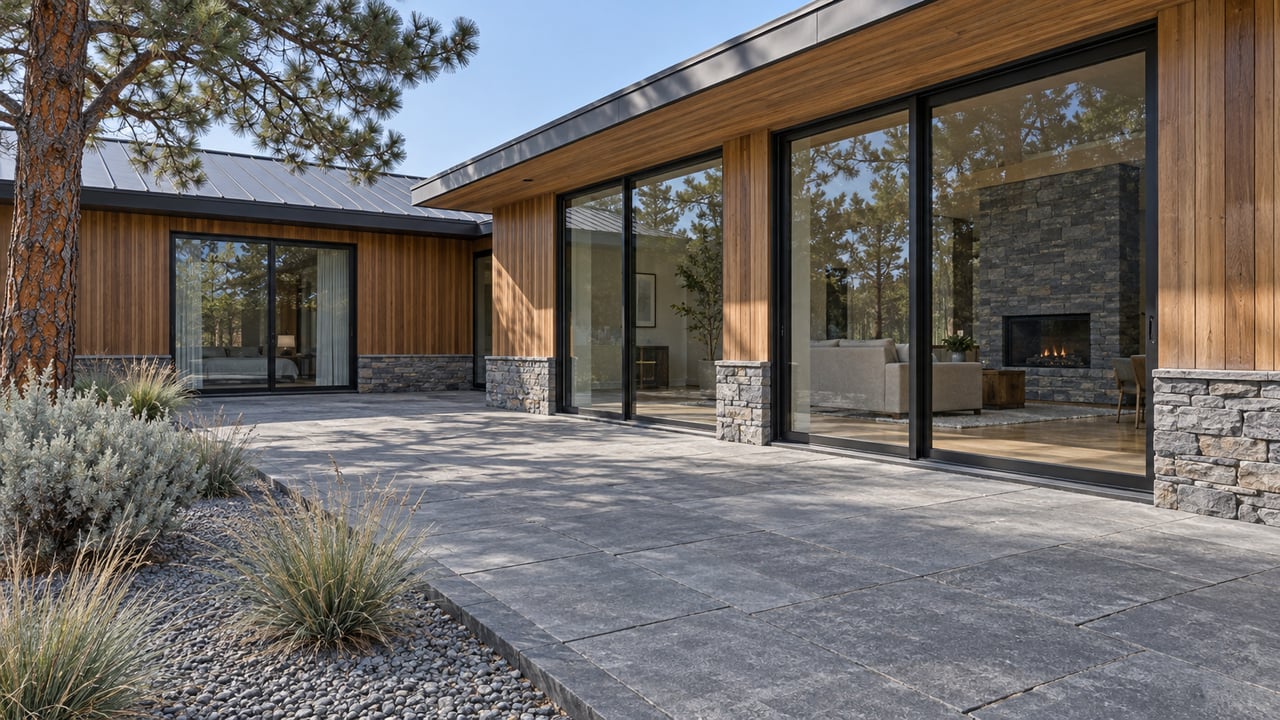
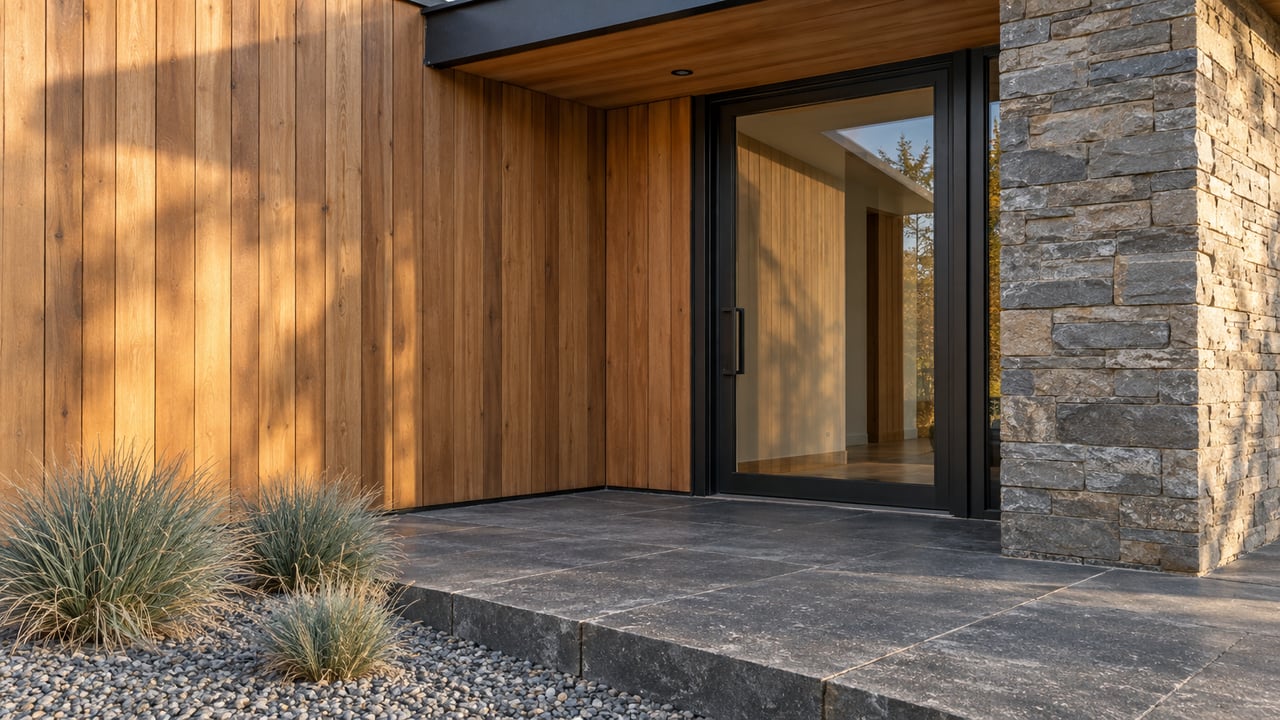
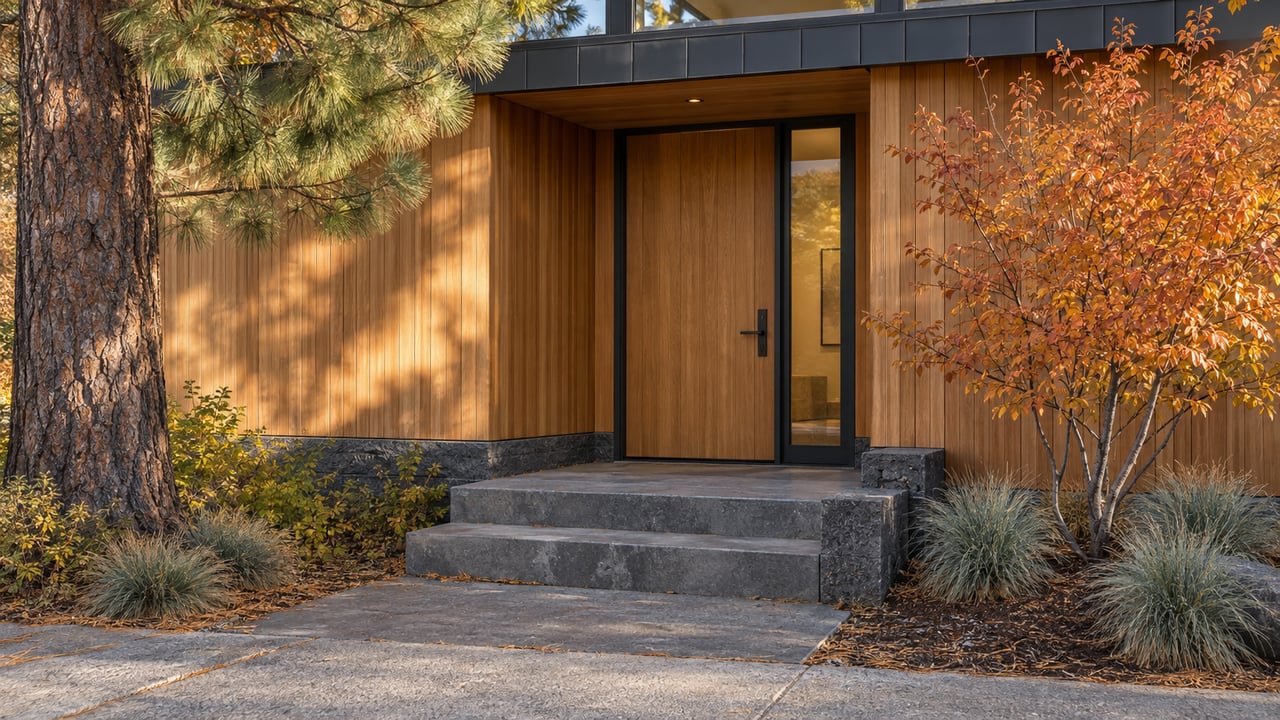
If your home is relatively newer, buyers may still expect a polished, move-in-ready presentation. The National Association of Realtors consumer guide on preparing to sell your home recommends focusing first on cleaning, decluttering, and curb appeal. That includes windows, carpets, walls, lighting, landscaping, and the front entry.
This kind of prep matters because buyers often compare homes quickly online and in person. A clean, well-presented home helps them focus on the layout, finishes, and lifestyle the property offers instead of small distractions. For move-up sellers, that can support a stronger first week on market.
Consider a pre-sale inspection
A pre-sale inspection is not required, but it can help you uncover issues before buyers do. NAR notes that it can also help you estimate larger repair items, such as roofing, HVAC, or appliances, even if you decide not to complete every fix before listing.
That matters because surprises during escrow can affect both your sale and your purchase timeline. If you already know the condition story of your home, you are in a better position to negotiate from a place of clarity.
Use staging strategically
Staging is still worth considering, even in a more balanced market. In the NAR 2025 Profile of Home Staging, 29% of agents said staging increased the dollar value offered by 1% to 10%, and 49% said it reduced time on market. The rooms most often staged were the living room, primary bedroom, dining room, and kitchen.
For a Hidden Hills seller, that suggests you do not always need to stage every room. A focused approach on the main living spaces may be enough to improve how buyers experience the home.
Don’t overlook Bend-specific listing requirements
If your home is within Bend city limits and will be publicly listed, a Home Energy Score is required. The City of Bend states that the report and link must appear in the MLS and other marketing, and the average cost is about $150 to $300. You can review the details on the City of Bend Home Energy Score page.
For many sellers, this is easy to miss until the last minute. If you are also planning a move-up purchase, it makes sense to handle this early so your listing timeline stays on track.
Tidy up exterior vegetation
Bend also has a wildfire-focused vegetation code. The City of Bend flammable vegetation requirements say that lots half an acre or smaller must remove flammable vegetation, while larger lots must maintain a 20-foot fuel break around the property.
Even if your lot is typical of a suburban Hidden Hills setting, exterior cleanup can still be part of smart listing prep. Trimming back overgrowth and improving defensible space can help your home show better while also supporting compliance.
Get your paperwork ready early
One of the easiest ways to create unnecessary stress is waiting too long on disclosures. Under ORS 105.464, Oregon sellers must provide a seller’s property disclosure statement to each buyer who makes a written offer. The statutory process also gives buyers a limited revocation window after delivery in many cases.
That is why disclosure prep should start before your home goes live. If you are trying to coordinate a sale and a purchase at the same time, faster paperwork can help reduce delays once offers start coming in.
Plan the sale and purchase together
For most move-up sellers, the biggest question is timing. The Consumer Financial Protection Bureau homebuying guide notes that homeowners who are moving often try to sell their current home before buying another one. It also notes that a larger down payment can improve approval odds and may reduce your interest rate.
That means your sale strategy should connect directly to your purchase strategy. Before you list, it helps to understand how much equity you expect to unlock, how much of that equity you need for your next purchase, and what timing options may be available.
Common timing tools for move-up sellers
The NAR guide to real estate contract contingencies outlines several tools that can help coordinate both sides of the move:
- Home-sale contingency: gives you time to sell your current home before closing on the next one.
- Home-close contingency: ties the purchase to the successful closing of your current home.
- Kick-out clause: can allow a seller to keep marketing a property while a contingent offer is in place.
- Rent-back agreement: can let you stay in your current home for a period after closing if both parties agree.
Each option has tradeoffs, and the right fit depends on your equity position, risk tolerance, and how competitive the homes are that you want to buy next.
When sale proceeds matter for the next purchase
If you need proceeds from your current home to fund the next down payment, lender documentation becomes important. Fannie Mae’s guidance on anticipated sales proceeds says lenders must verify the source of funds with a settlement statement from the current home before or at the same time as the new home closes.
Fannie Mae also notes that bridge or swing loans may be an acceptable source of funds if the lender properly documents your ability to carry the current home, the new home, the bridge loan, and other obligations. That does not make every option right for every seller, but it does show why early conversations with both your real estate advisor and lender matter.
Focus on a clean, low-drama process
In a market where many sales happen below list price and homes can take longer to sell, the strongest move-up strategy is often the simplest one. Present the home well, price it accurately, complete required reports early, and prepare your disclosures before the first offer arrives.
That kind of planning helps protect your leverage and your timeline. It also gives you a clearer view of your next move, whether that means selling first, negotiating a rent-back, or aligning two closings more carefully.
If you’re thinking about a move-up sale in Hidden Hills or anywhere in Bend’s 97702 market, David Holland can help you build a neighborhood-specific strategy that connects your sale price, timing, and next purchase into one clear plan.
FAQs
What does the current 97702 market mean for Hidden Hills home sellers?
- Current 97702 data shows a more selective market, with about 1 offer on average, a median sale price of $689,900, and 88 median days on market, so accurate pricing and strong presentation matter.
What should Hidden Hills move-up sellers fix before listing a home?
- Focus first on cleaning, decluttering, curb appeal, and identifying any larger repair items early, especially if they could affect negotiations or timing during escrow.
Do Bend home sellers need a Home Energy Score before listing?
- If the home is within Bend city limits and is publicly listed, yes, a Home Energy Score report is required and must be included in MLS and marketing.
How can Bend move-up sellers buy a new home before selling the current one?
- Depending on your situation, options may include a home-sale contingency, a home-close contingency, a rent-back agreement, or possibly a bridge loan if your lender approves it.
When should Oregon sellers prepare the property disclosure statement?
- Ideally before listing, because Oregon law requires the disclosure statement to be delivered to each buyer who makes a written offer, and delays can complicate the transaction.
Why does pricing matter so much for a Hidden Hills move-up sale?
- In Bend and 97702, many homes sell below list price and some listings need price drops, so pricing correctly from the start can help protect momentum and support better net proceeds.