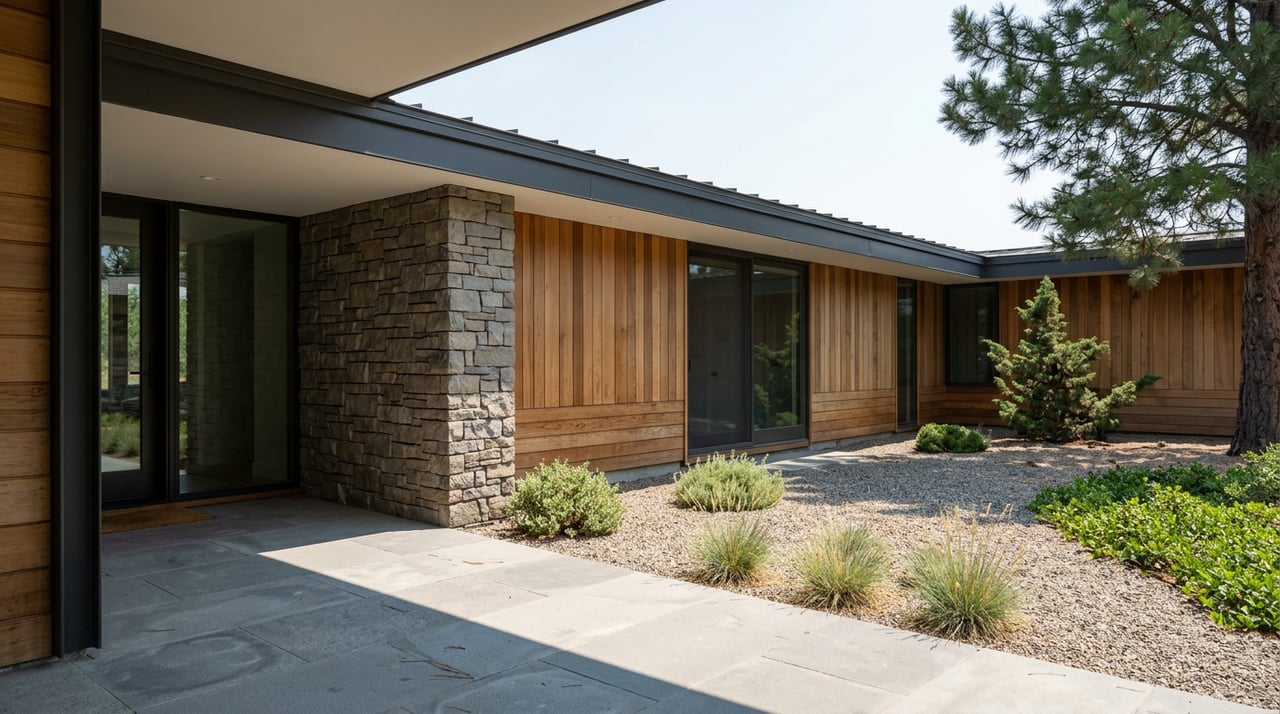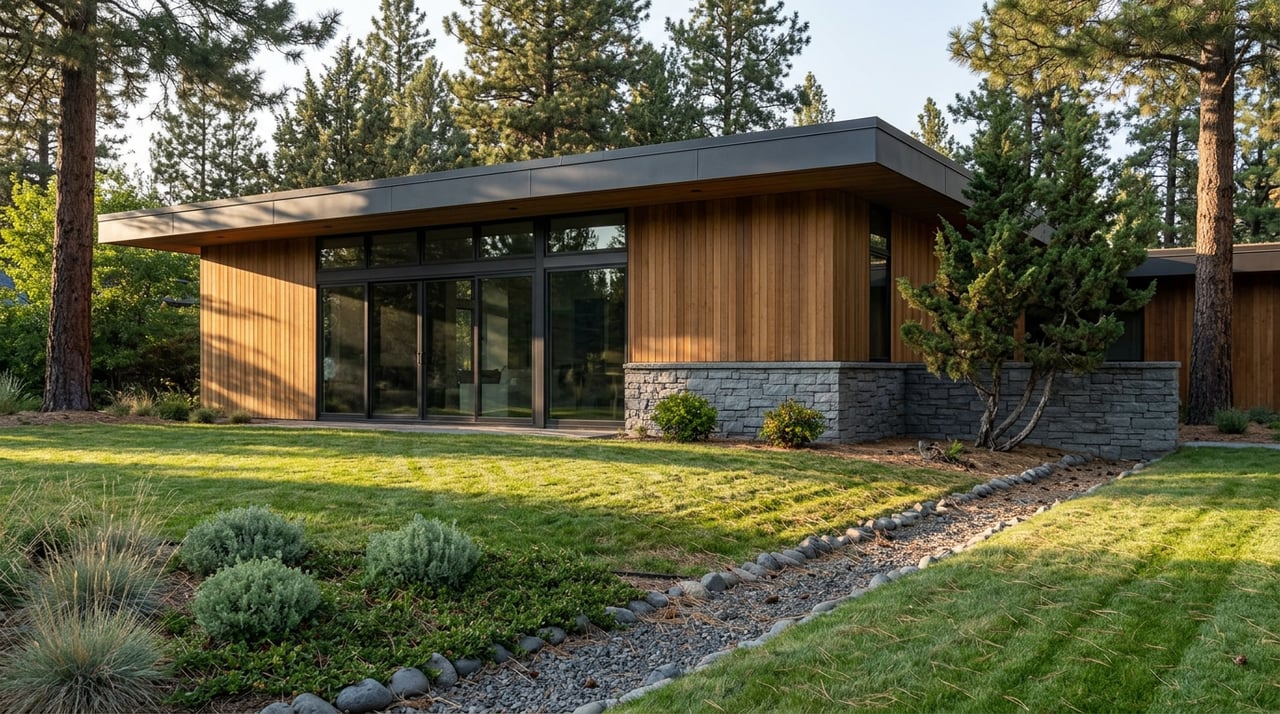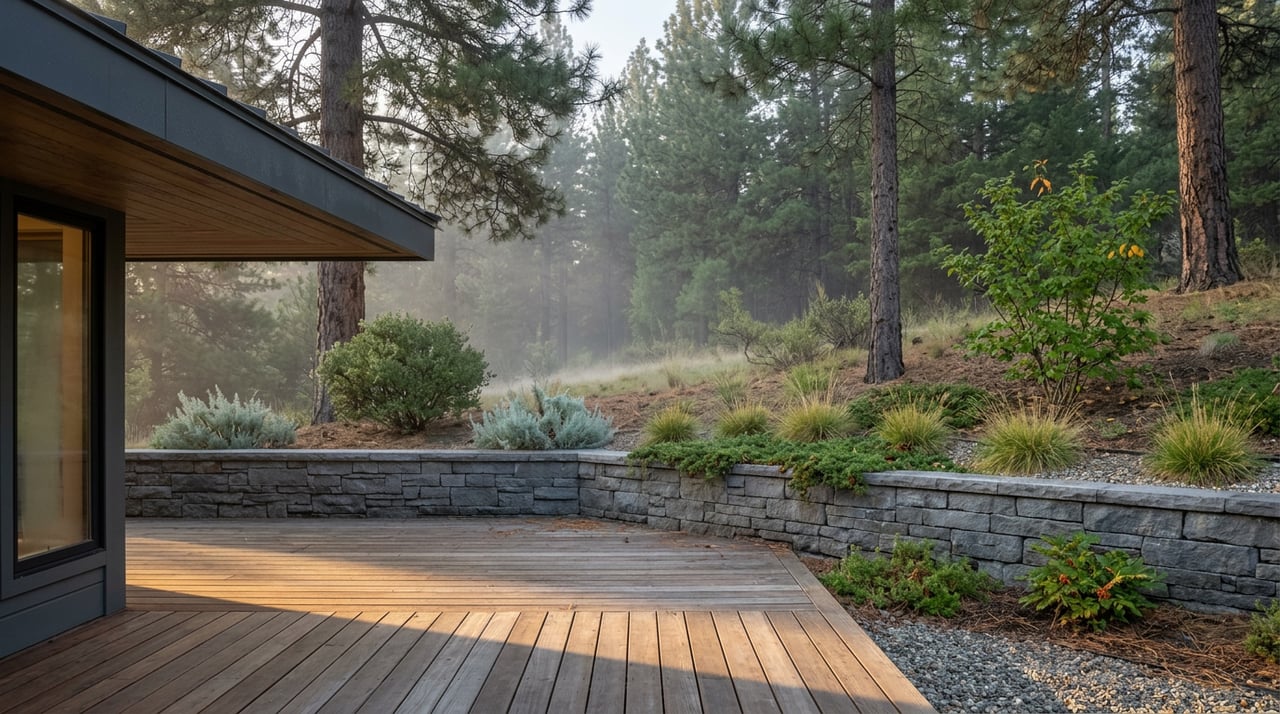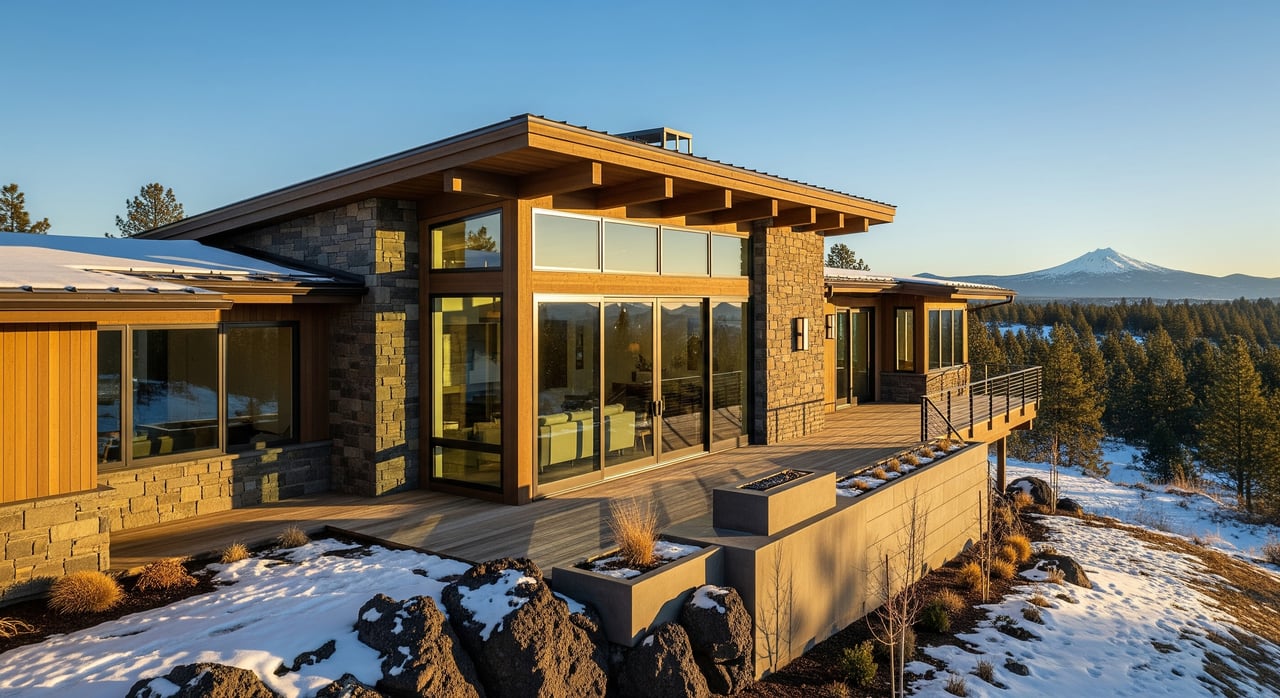
You can stand on one side of Awbrey Butte and feel spring while the other side still holds last week’s snow. If you are weighing homes on Bend’s west side, small shifts in elevation, slope and lot orientation can change your day-to-day life in winter and shoulder seasons. In this guide, you will learn how sun, snow and wind work on the Butte, what to watch during showings, and how to compare lots with simple tools. Let’s dive in.
Why microclimates matter on Awbrey Butte
Bend’s high-desert climate brings strong sun, low humidity, and cold snaps that make site-level differences more noticeable. Large day-night temperature swings and periodic snow mean two nearby lots can perform very differently in winter. For a climate baseline, review NOAA climate normals for Bend and National Weather Service local forecasts and records.
Awbrey Butte itself is a high point above town. Elevated, convex landforms often feel colder at night, see more wind, and show bigger contrasts between sun and shade. That is why aspect, trees and driveway orientation matter so much here.
Elevation effects you will feel
Higher lots are usually a bit cooler. A common rule of thumb is about 3.6°F per 1,000 feet of elevation change. On the Butte, that modest difference can shift how often you hit freeze-thaw cycles and how long snow sticks.
- Wind increases with exposure near crests and ridgelines, which can chill outdoor spaces and move snow around.
- Slightly higher spots are more likely to see snow instead of rain during borderline storms.
- Use elevation data from the USGS National Map to compare parcels before you tour.
Slope and aspect shape sun and melt
South vs. north
- South-facing slopes get the most winter sun. You will notice faster snowmelt on patios and driveways and more natural light in living spaces.
- North-facing slopes receive the least winter sun. Expect slower melt, longer shade windows, and colder conditions that can support ice.
East vs. west
- East-facing aspects warm earlier in the day and can thaw morning ice sooner.
- West-facing aspects soak up late-afternoon sun. That can help afternoon melt in winter and add heat gain in summer.
If passive solar is a priority, review room orientation and glazing. The U.S. Department of Energy’s guidance on passive solar home design explains how south-facing glass and good insulation work together in cold, sunny climates. For a deeper look at solar potential, you can model sun by month with NREL’s PVWatts tool.
Sun, shade and snow retention
How long snow stays on your lot depends on aspect, shading, wind and surface type.
- Shading from tall conifers or neighboring structures slows melt, especially on north and west sides.
- Darker surfaces like asphalt melt snow faster than light concrete or pavers.
- Wind can scour roofs and driveways or pile drifts where snow eddies collect.
- Roof design matters. Pitch, color, attic insulation and ventilation influence ice dam risk. Your inspector can review these elements using standards from organizations like ASHI.
Driveways and winter access
Access can be the biggest day-to-day difference between lots on Awbrey Butte.
- Grade: Steep driveways are harder to clear and can get slick. Practical thresholds often cited by builders are in the 10 to 15 percent range for everyday access.
- Orientation: North-facing or heavily shaded driveways hold ice longer. West-facing approaches may thaw late in the day and refreeze overnight.
- Drainage: Poor grading can send meltwater onto walking surfaces that then refreeze. Look for swales, trench drains, or heated sections on steeper approaches.
- Maintenance: City plows do not clear private driveways. Plan for private snow removal. For general winter operations guidance, review resources from ODOT.
What to check during showings
Bring a quick, practical lens to each property.
- Orientation: Note which direction the main living room windows and outdoor spaces face. South or southeast often means better winter light.
- Driveway: Estimate steepness. Look for ruts, shaded stretches, and evidence of gravel or traction aids.
- Roof and eaves: Scan for large icicles, stains along eaves, or snow guards on pitched roofs.
- Trees and shade: Identify mature evergreens that could limit winter sun. Deciduous trees allow more winter light.
- Snow patterns in season: Compare shaded versus sunny areas and watch where drifts collect.
- Garage exposure: Doors facing north or west may see more snow or ice at the threshold.
Energy and comfort trade-offs
You can capture meaningful winter comfort from south-facing layouts that welcome sun into living areas. That said, ridge-top wind exposure can increase heat loss. Insulation, air sealing, and system sizing should match both Bend’s climate and your lot’s exposure. DOE’s passive solar design guidance explains how to balance glazing with insulation and shading.
Trees help shade in summer, but dense evergreens near south facades can reduce winter solar gains. Consider species and placement so you keep summer comfort without losing winter light.
How to compare Awbrey Butte to nearby areas
You can make apples-to-apples comparisons with a few free tools:
- Elevation and aspect: Pull contours and slopes from the USGS National Map. Pair with county GIS for parcel details.
- Sun exposure: Use NREL PVWatts for month-by-month irradiance estimates to compare lots and roof planes.
- Climate context: Check storm histories and freeze events via the National Weather Service.
- Soils and drainage: Review soils and infiltration characteristics with the USDA NRCS Web Soil Survey.
When time allows, visit candidates mid-winter and mid-day to see real sun and snow behavior. If you are moving fast, look at recent aerials or street-level images for shade and snow lines.
A simple due diligence checklist
- Verify parcel elevation, slope and aspect using mapping tools. Run a winter sun-path check for main living spaces and the driveway.
- During showings, note winter sun in key rooms and observe driveway slope, surface and shade.
- Ask for records: roof and gutter maintenance, any snow-melt systems, HVAC sizing, and winter utility bills.
- Request disclosures on any past ice dams, roof repairs, or water intrusion.
- Have your inspector evaluate attic insulation and ventilation, roof underlayment at eaves, driveway construction and drainage, HVAC capacity, and exterior envelope in wind-exposed areas. Reference standards from ASHI.
- Clarify snow removal responsibilities with the seller or HOA and budget for seasonal services if needed.
Buyer takeaways for Awbrey Butte
- If you want winter sun and faster melt, favor south or southeast-facing living areas, yards and driveways with an open southern horizon.
- If wind exposure is a concern, consider lower or tree-sheltered positions on the lee side instead of ridge tops.
- For winter access, look for gentler driveway slopes, wide turnouts and sunlit approaches. When steep access is unavoidable, ask about past winter performance and costs for snow removal or heated sections.
- Balance passive solar gains with insulation and air sealing. Trees that help in summer can reduce winter sun if placed on the south side.
Ready to zero in on the right lot and layout on Awbrey Butte? Let’s align your lifestyle goals with smart, site-specific due diligence and negotiation. Reach out to David Holland to schedule a consultation and compare homes with a clear plan.
FAQs
What is a microclimate on Awbrey Butte?
- It is the small-scale weather pattern created by a lot’s elevation, slope, aspect, trees and wind exposure that affects sun, snow, temperature and comfort.
Which lot orientation gets the most winter sun in Bend?
- South-facing slopes and facades receive the most direct winter sun, which helps with daylight, passive warmth and faster snowmelt.
How steep is too steep for a driveway in snowy conditions?
- Driveways over roughly 10 to 15 percent grade can be challenging for daily access, snow clearing and traction during freeze-thaw cycles.
How can you estimate sun exposure before a showing?
- Check parcel aspect and elevation with mapping tools, then model winter sun paths and roof exposure with solar tools like NREL’s PVWatts.
What should your inspector look for to avoid ice dams?
- Attic insulation and ventilation levels, quality of roof underlayment at eaves, signs of past ice dams, and drainage that moves meltwater away from walkways and foundations.