Curious if an accessory dwelling unit could boost your Bend home’s flexibility and long-term value? You’re not alone. More buyers are looking at ADUs as a way to create multigenerational space, a future rental, or a dedicated home office. In this guide, you’ll learn how ADUs are regulated in Bend, what to check on a specific lot, and the practical steps that move a project from idea to keys in hand. Let’s dive in.
What an ADU is in Bend
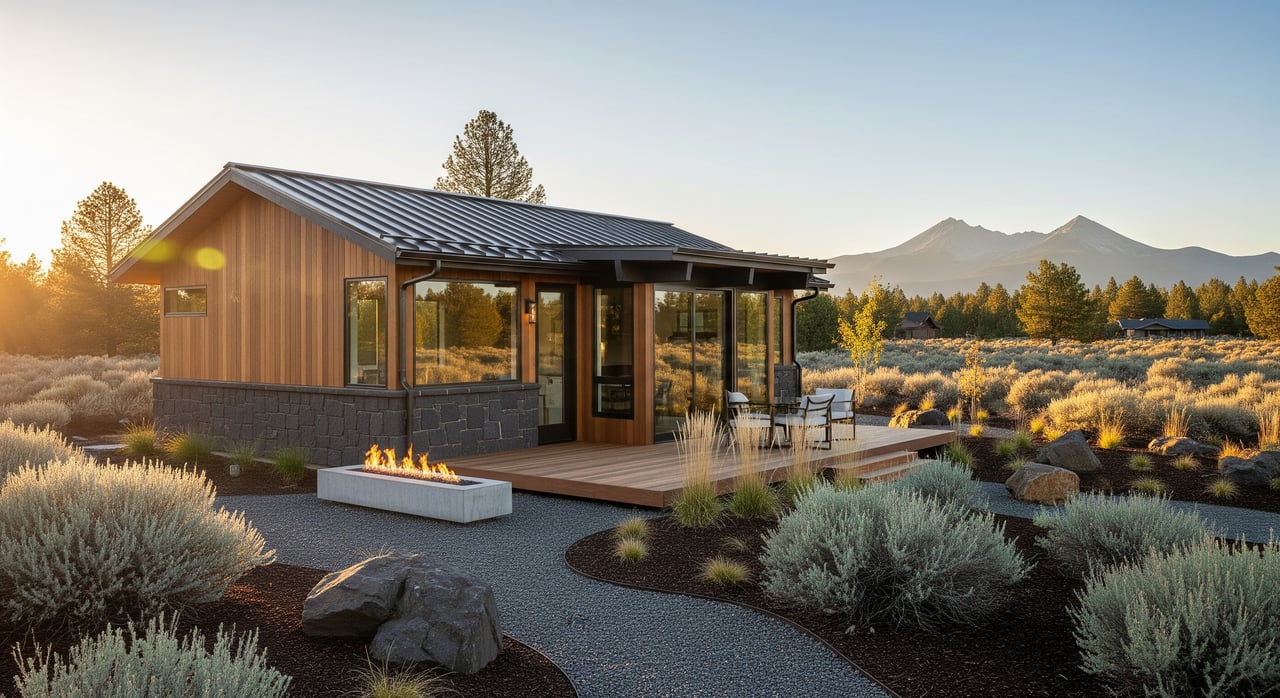
An accessory dwelling unit is a smaller, independent home on the same lot as a primary residence. It can be detached, attached as an addition, or created inside the existing home. In some places, there is also a junior ADU made entirely within the main home’s footprint. In Bend, state law and local code both apply, so you need to consider land-use rules and building codes together.
ADUs in Bend follow two tracks. Land-use rules determine if your lot allows an ADU, where it can sit, and how big it can be. Building codes cover construction details like structure, electrical, plumbing, energy, and life safety. Depending on the property, other authorities like Deschutes County Environmental Health, your HOA, and utility providers can also shape what is possible.
Start with zoning and eligibility
Confirm your zone and unit count
Begin with the property’s zoning. Many single-family zones in Bend allow one ADU per lot. If the lot already has more than one dwelling, the allowance can change. Multi-family or mixed zones may have different ADU paths. Always verify the current rules for your specific parcel with the City of Bend Planning Division.
Check lot size and coverage
Each zone sets minimum lot size, maximum lot coverage, and height limits. If your lot is close to its coverage cap, a detached ADU might be tight while an internal conversion could still work. Topography, trees, and easements also affect where an ADU can fit.
Review HOA or CC&Rs
Even if the city allows an ADU, private covenants can be stricter. Some HOAs limit second units or rentals entirely. Ask for the full CC&Rs and any architectural guidelines early in your review.
Key site standards to verify
Size and height
Local codes often cap ADU floor area and limit height. The cap shapes whether you are building a studio, one-bedroom, or something larger. Height limits influence whether you can build above a garage or need a single-story plan. Confirm Bend’s current maximums before you design.
Setbacks and lot placement
ADUs must respect front, side, and rear setbacks. Detached units sometimes have different setbacks than primary homes. Placement also ties into fire access and utility routes. On smaller lots, a conversion or attached ADU can be a better fit than a detached cottage.
Parking expectations
Oregon policy has reduced parking barriers for ADUs in many places, but local rules and exceptions still apply. Some sites need an off-street space, and some do not. Street width, driveway layout, and emergency access can also affect feasibility.
Design or overlay areas
Certain districts or overlays can add design standards to keep new structures compatible with neighborhood character. Historic areas or special plan districts often have more review steps. Ask planning staff if your parcel sits in an overlay before you finalize plans.
Utilities, septic, and fire safety
Water and sewer
If your property is served by city water and sewer, an ADU usually connects to those systems. Connection points, pipe size, and available capacity will drive cost. New units can trigger system development charges and other utility fees, so include those in your budget.
Power, gas, and meters
A rentable ADU often benefits from separate electrical or gas metering. Your main panel may need an upgrade to handle a second kitchen, heat source, and dedicated circuits. Coordinate with your designer and utility providers early so service upgrades do not surprise you later.
Septic and wells outside city service
If the property is not on city sewer or water, Deschutes County Environmental Health must approve any additional dwelling. Some septic systems can be expanded, while others cannot. In many cases, adding an ADU on septic is expensive or infeasible unless a sewer connection is available.
Wildfire and emergency access
Parts of Bend face elevated wildfire risk. For sites near brush or forested areas, use fire-resistant materials, maintain defensible space, and plan for clear emergency access. Your building plans will need to meet egress, smoke alarm, and carbon monoxide requirements.
Permitting steps and timeline
Pre-application check
A pre-application discussion with planning staff can save time and money. You can confirm zoning allowances, setbacks, utility options, and whether your concept triggers any special reviews. Bring a simple site sketch and questions.
Site plan and drawings
Next, prepare a site plan showing property lines, existing structures, driveways, and the proposed ADU. For conversions, include floor plans that show how you will separate units, add a kitchen, and meet egress and fire separation standards. Your designer will build out structural, electrical, plumbing, mechanical, and energy code sheets for the building permit.
Land-use approval
If your ADU meets clear, objective standards, staff can often approve it administratively. If you need a variance or fall within a design overlay, expect a more involved process. Timelines depend on workload and project complexity.
Building permit and inspections
You will submit full construction drawings to the City of Bend Building Division. Review can take several weeks to a few months. During construction, inspectors sign off on foundation, framing, rough-in trades, and final safety checks. You will receive a certificate of occupancy before you rent or move in.
Costs, fees, and financing
Fees to budget
Plan review and building permit fees apply to most projects. You may also see land-use or design review fees. Expect utility connection or capacity charges for water and sewer, plus potential system development charges for a new dwelling unit. If you need a new electrical service, panel upgrade, or separate meters, include those costs. On septic or well lots, new or expanded systems add significant expense.
Taxes and value
An ADU usually increases assessed value, which affects future property taxes. If you plan to rent the unit long-term, include likely rent, operating costs, maintenance, and reserves in your return model. A permitted ADU tends to support resale value better than an unpermitted space.
Financing paths
Buyers use several approaches. Some lenders consider projected ADU rental income during underwriting for a purchase. Others use renovation or construction loans to fund the build after closing. If you are buying a home that already has a permitted ADU, prior rental history and permits can strengthen your financing file.
Rental rules, long- vs short-term
Many owners rent ADUs long-term under standard landlord-tenant law. Short-term rental use is more complex. Bend has specific licensing and location rules for short-term rentals, and an ADU used for that purpose can require separate permits and tax registration. Check the latest city requirements before you assume nightly rental revenue.
Southeast Bend vs Hidden Hills: what to expect
Southeast Bend snapshots
In many southeast Bend neighborhoods, you often find regular-shaped lots on city water and sewer. Utility connections are typically shorter and more predictable. Smaller lots can make a detached unit tight, so attached ADUs or internal conversions may be the best fit. Some planned communities have HOA rules that influence exterior design or rental use, so read those documents closely.
Hidden Hills snapshots
Hidden Hills and nearby areas can include larger parcels with varied topography and more wildfire exposure. Some properties sit beyond city sewer and water, which shifts review to septic and well capacity. Detached ADUs may be easier to site due to larger setbacks, but longer utility runs, wildfire materials, and septic upgrades can raise costs. CC&Rs in certain subdivisions may limit rentals or additional dwellings, so verify rules early.
Quick feasibility checklist
- Confirm zoning and any overlay districts on the parcel.
- Order a current site survey showing lot lines, easements, and topography.
- Verify city water and sewer service or evaluate septic and well capacity.
- Review Bend’s ADU standards for size, height, setbacks, and parking.
- Read CC&Rs and HOA guidelines for restrictions on ADUs and rentals.
- Check wildfire risk and plan for defensible space and compliant materials.
- Ask the seller for past permits, as-builts, and utility connection details.
- Get a preliminary budget from a local designer and contractor, including utility work.
- Schedule a conversation with planning staff for parcel-specific questions.
Make a smart ADU move in Bend
An ADU can unlock flexibility, support multigenerational living, or add a future income stream. The best projects start with a clear read of zoning, a realistic site plan, and a budget that includes utilities and fees. Once you confirm the path, the permitting steps are straightforward and your team can guide you through the finish line.
If you want a practical, parcel-specific review before you make an offer, let’s talk. As a local advisor with on-the-ground experience in southeast Bend, Hidden Hills, and neighborhoods across Central Oregon, I can help you evaluate feasibility, resale impact, and rental potential. Schedule a Consultation with David Holland to map the right ADU strategy for your goals.
FAQs
Can I build an ADU on my Bend single-family lot?
- Many single-family zones allow an ADU, but you still need to confirm zoning, setbacks, lot coverage, and any HOA rules with the City of Bend for your specific parcel.
How big can an ADU be in Bend?
- Bend sets a maximum ADU floor area and height by code; check the current Bend Development Code before you design to ensure your plan meets today’s limits.
Do I need to add off-street parking for an ADU?
- Parking rules for ADUs have evolved with state policy, and local exceptions apply; verify current Bend standards and any site-specific requirements.
Can I use an ADU as a short-term rental in Bend?
- Short-term rentals require city licensing and must follow location and safety rules; confirm whether your ADU can qualify before you underwrite nightly rental income.
Will adding an ADU trigger system development charges and other fees?
- New dwelling units often trigger permit fees and utility charges, and ADUs may have specific fee policies; review the latest fee schedule with the city before budgeting.
What if my property is on septic or near higher wildfire risk areas?
- Septic and well properties must be cleared by Deschutes County Environmental Health, and wildfire-prone sites have additional building and defensible space needs.
How long does the ADU permitting and build process take in Bend?
- Administrative approvals and plan review can take weeks to a few months depending on complexity and workload, and construction timelines vary by design and contractor.