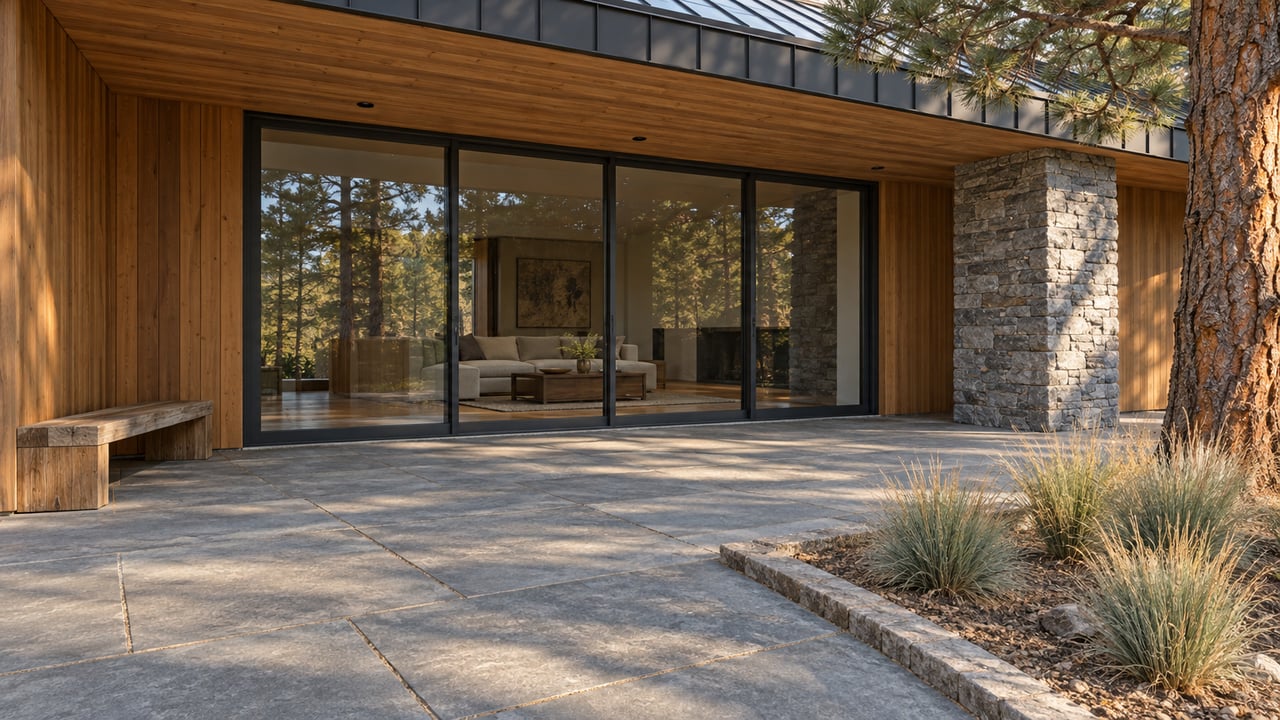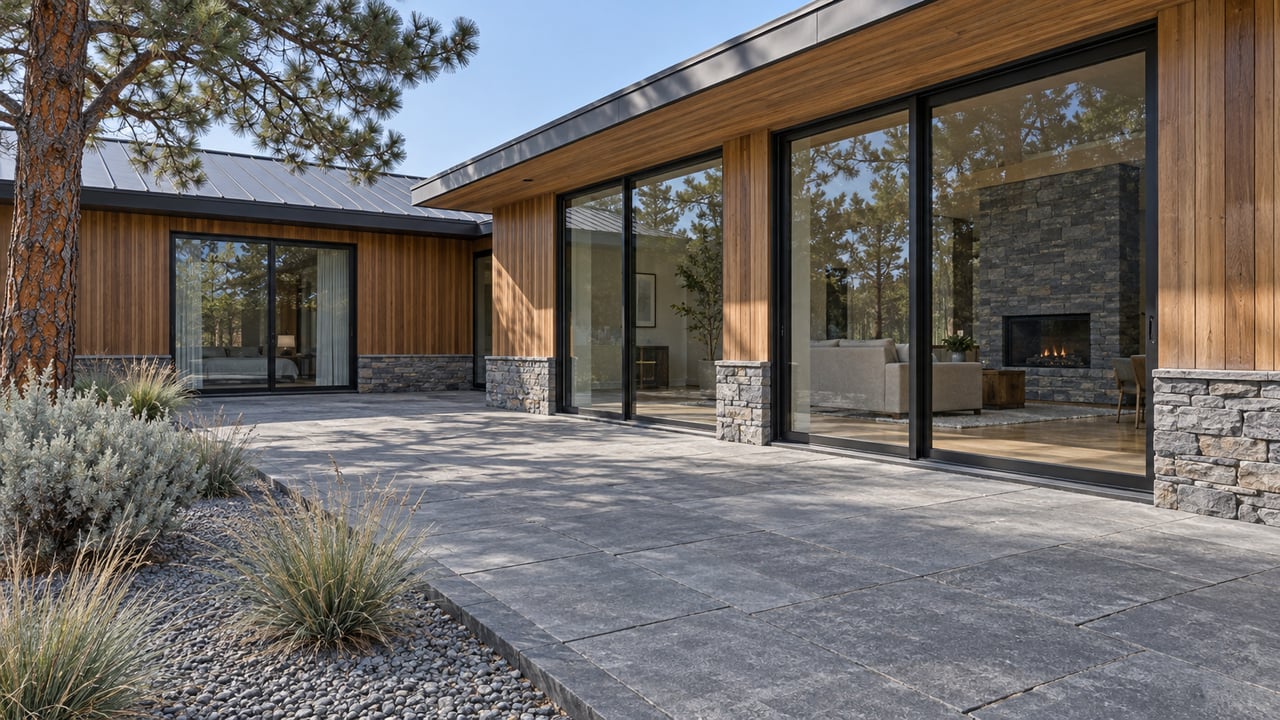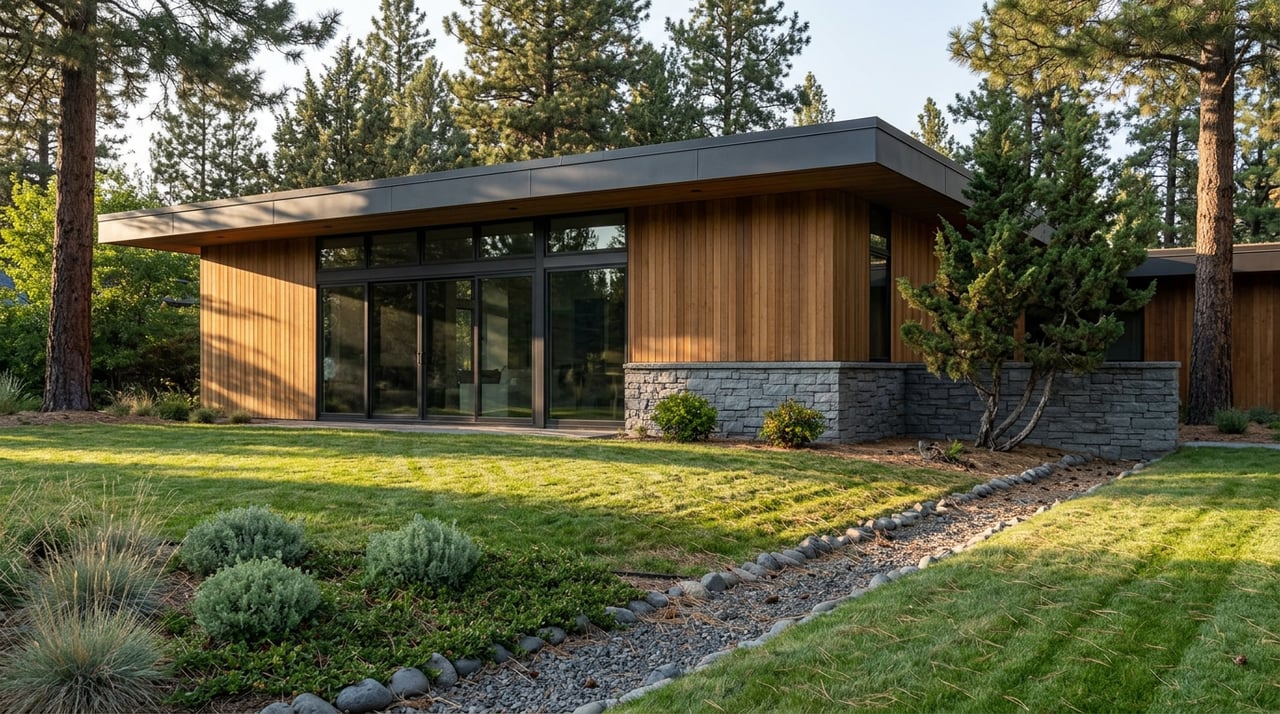
Line up the monthly HOA dues for Bend's two big west-side gated communities and Sunrise Village wins almost every comparison. Bigger lots. A gated entry. Private Deschutes River frontage on some parcels. A saltwater pool, hot tub, spa, tennis courts, and a boat and RV storage yard thrown in. And dues that, on individual listings, have shown up as low as $94 a month, well under the roughly $370 a month River Canyon Estates reports as its community median.
So why do lenders sometimes take a harder look at a Sunrise Village purchase than they do at a comparable offer in River Canyon Estates? It has nothing to do with either neighborhood's reputation. It comes down to something an appraiser has to find within a reasonable distance of the subject property, and one of these two communities makes that search a lot harder than the other.
Two HOA Communities, Two Very Different Builds
River Canyon Estates sits along the south rim of the Deschutes River Canyon in southwest Bend. City planning materials show the community was platted in 2001, and the 357 homes that fill it, mostly Craftsman and Northwest-style single-family designs, went up in a fairly tight window through the 2000s and into the early 2010s. The community's clubhouse sits at 19535 SW Hollygrape Street and anchors a pool, fitness center, tennis and pickleball courts, and direct access to the Deschutes River Trail at River Canyon Park. It's five minutes from the Old Mill District. A five-member volunteer board oversees the association, which is managed day to day by Aperion Management Group.
Sunrise Village, by contrast, is a gated enclave tucked in the pines above the river and bordering Deschutes National Forest. According to the HOA's own site, residents have access to walking and biking paths, tennis courts, a saltwater pool, a hot tub and spa, an RV and boat storage lot, and a Lodge clubhouse, with some rim and river-adjacent lots carrying private river access. The homes here are not a single production run. Public listings describe a home custom built in 1993, another described as a thoughtfully designed 2014 custom build, and one designed by an individual architect rather than a production builder. Lot sizes on the market have run .44.58, and .64 acre, noticeably larger than most of River Canyon Estates' range, which spans from 3,200 square feet up to just over half an acre.
Here's how the two stack up side by side:
| Sunrise Village | River Canyon Estates | |
|---|---|---|
| Housing stock | Custom homes, individually designed, built across three-plus decades | 357 Craftsman/Northwest-style homes, mostly built 2002 to the early 2010s |
| Typical lot size | Roughly half an acre to two-thirds of an acre on recent listings | 3,200 sq ft to just over half an acre |
| HOA dues (per public listings) | As low as $94/month on individual listings | $66 to $473/month, with a reported community median near $370/month |
| Shared amenities | Gate, Lodge, saltwater pool, hot tub/spa, tennis, RV/boat storage, some private river access | Clubhouse, pool, fitness center, tennis and pickleball, Deschutes River Trail access at River Canyon Park |
| Community size | About 686 households, roughly 1,547 residents | 357 homes |
Why One Neighborhood's Dues Look Like a Discount
The dues gap makes sense once you think about what each association is actually funding. River Canyon Estates spreads the cost of its clubhouse, pool, and courts across 357 fairly similar homes built in a compressed timeframe, and its reported dues still land on a median near $370 a month, with individual units reported as high as $473, which tracks with what buyers expect from an amenity-rich, professionally managed community with a defined maintenance schedule.
Sunrise Village is running a similar amenity list, arguably a richer one given the gate, the river access, and the boat storage yard, across a larger number of larger, older, more individually built homes. Oregon's Planned Community Act requires HOAs to review their reserve funding needs annually, which means dues on a community like this can move depending on what a decades-old pool or Lodge building needs in a given year. A low due on one listing today doesn't guarantee the same figure holds the next time the reserve study comes due.
None of that is a red flag on its own. It's simply a different cost structure, and reading each association's most recent reserve study tells you more than last year's dues figure ever will.
The Appraisal Problem That Dues Don't Predict
Here's where the real friction shows up, and it isn't about affordability going in. It's about what happens when a lender orders the appraisal.
Appraisers build their opinion of value around comparable sales—typically three or more closed transactions, the Federal Housing Finance Agency reports—within roughly a mile, within about 20 percent of the subject's square footage, and closed within the past six to twelve months. Research from the Federal Housing Finance Agency has found that the number of comps an appraiser can pull for a report tends to drop as a property's location gets less dense and as its features get less standardized, since both factors shrink the pool of genuinely similar recent sales.
That's the exact combination Sunrise Village presents. A custom home built in 1993 next to one finished in 2014, on a lot that might run anywhere from a third of an acre to two-thirds, in a low-density, forested, gated setting, gives an appraiser far fewer clean matches than a 2005-built Craftsman in a 357-home community where dozens of similar homes have changed hands over the years. When appraisers can't find enough close comps, the standard responses are to broaden the search radius into other neighborhoods, reach back further in time for older sales, or lean more heavily on a cost-approach estimate. Any of those approaches can land below a negotiated contract price, especially on a larger custom home that's priced ahead of what nearby, less similar sales support.
For a cash buyer this is a non-issue. For a financed buyer, it means the appraisal, not the offer, becomes the moment where a Sunrise Village purchase can stall. With Bend's median sale price sitting around $725,000 over the three months ending June 2026, a larger custom home in a gated, low-comp community is often priced well above that citywide figure, which means even a modest percentage gap between contract price and appraised value represents a real dollar swing at the closing table.
What This Means If You're Comparing the Two
A few practical steps make the difference between finding this out during a tour and finding it out during underwriting.
- Ask each HOA for its current reserve study and the last two years of meeting minutes before assuming a dues figure quoted on a listing will hold.
- If you're financing a Sunrise Village property, ask your lender's appraisal desk early how many closed comparable sales exist for a home of similar size, lot, and vintage within the past six to twelve months. If the honest answer is "not many," plan for a wider search radius or an older comp set, and price your offer with that in mind.
- For River Canyon Estates, confirm which due tier a specific unit falls into. A $370 median doesn't tell you whether a particular townhome or detached home sits closer to the $66 end or the $473 end, and that gap changes the real monthly cost of ownership.
- For both communities, request CC&Rs, the rental policy, and any architectural or design guidelines before you assume amenity access works the same way from one property to the next.
Bend's broader market has picked up pace lately, with homes selling in an average of 24 days over the three months ending June 2026, down from 32 days a year earlier. That citywide speed doesn't automatically apply to a custom home in a gated, low-comp enclave, where the buyer pool is naturally smaller and the sale timeline often has more to do with finding the right match than with market momentum.
A Few Questions Worth Asking Before You Write an Offer
Does a lower HOA fee always mean a better deal? Not on its own. It tells you what the association is charging today, not what the underlying appraisal or resale process will look like. Pair the dues figure with a look at how many comparable sales actually exist nearby.
What happens if the appraisal comes in below the contract price? The buyer and seller typically renegotiate the price, the buyer brings additional cash to cover the gap, or the deal is restructured. None of those outcomes are unusual, but they're easier to plan for if you know going in that comps are thin.
Does every Sunrise Village home have private river access? No. The HOA notes that some rim and river-adjacent lots carry private access while interior lots emphasize privacy without direct water frontage. Confirm access rights on a parcel-by-parcel basis rather than assuming it applies neighborhood-wide.
Comparing HOA dues side by side only tells part of the story. If you're weighing a custom home in Sunrise Village against a production-built home in River Canyon Estates, or trying to figure out how a specific property's financing picture might play out, David Holland at Bend Living can walk through the comp landscape with you before you write an offer, not after the appraisal comes back. Schedule a Consultation to talk through your specific situation.
This article is general information, not legal, tax or financial advice. Consult a qualified professional about your situation.