Thinking about buying new construction in Hidden Hills Bend? You are not alone. For many buyers, the appeal is easy to see: newer floor plans, newer infrastructure, and a chance to get into one of southeast Bend’s more recent growth areas. If you want to understand what to look for before you buy, what questions matter most, and how to protect your long-term value, this guide will help you make a more confident move. Let’s dive in.
Why Hidden Hills draws buyers
Hidden Hills sits in Bend’s southeast growth area near the edge of the current city limits. The area has been shaped by Bend’s southeast expansion, including the city’s Southeast Area Plan and nearby infrastructure investments such as Murphy corridor improvements.
That larger planning context matters when you buy new construction. It helps explain why Hidden Hills feels like a newer planned neighborhood rather than an older in-town pocket. It also gives you a better sense of how the area has been growing over time.
Deschutes County subdivision records show Hidden Hills Phase 1 and Phase 2, which confirms a relatively recent phased build-out. Nearby Alpenglow Park, a 37-acre park, is another part of the neighborhood story and adds to the everyday appeal of this part of southeast Bend.
What homes in Hidden Hills look like
Public listing examples suggest Hidden Hills is primarily made up of single-family homes on suburban-sized lots. Recent examples range from about 4,791 to 10,018 square feet in lot size, or roughly 0.11 to 0.23 acre.
That means you are generally looking at a neighborhood setting rather than large acreage properties. For many buyers, that can be a good fit if you want a newer home with outdoor space but do not want the upkeep of a much larger lot.
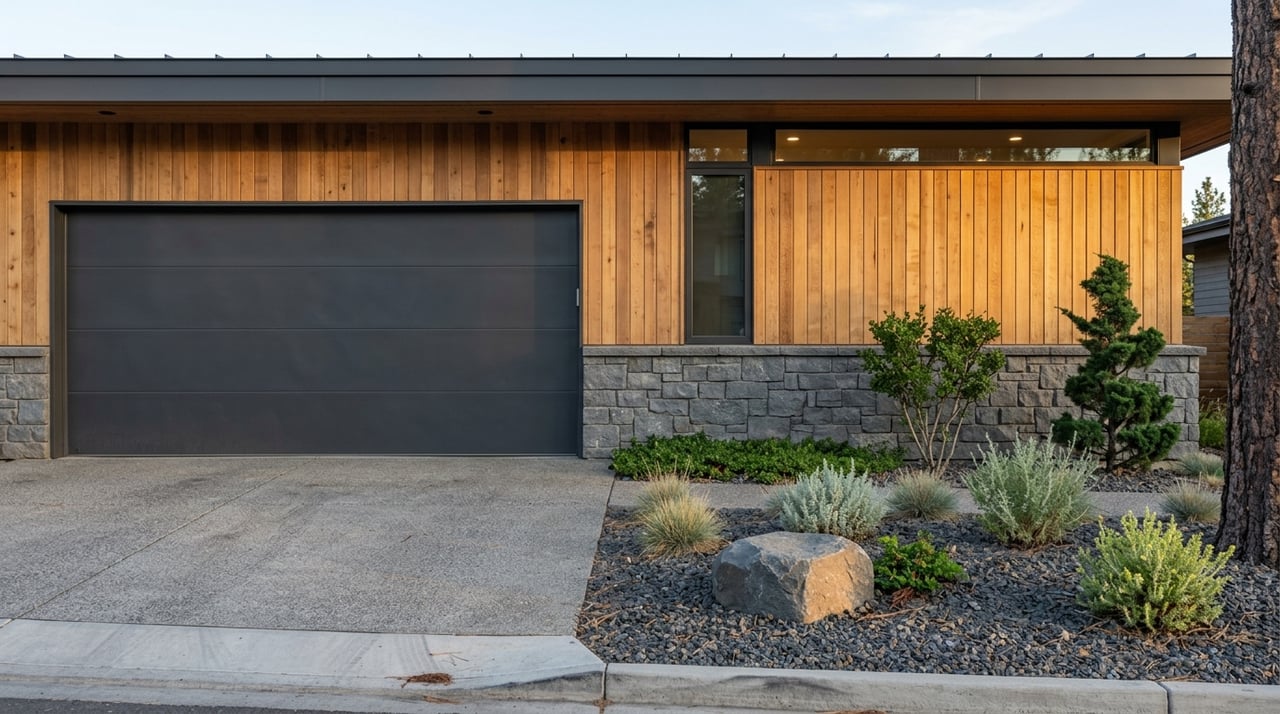
Home sizes in public examples range from about 1,870 to just over 3,000 square feet. The mix includes three- and four-bedroom homes, often with two-car garages and flexible living areas.
Common floor-plan features
One reason buyers are drawn to newer homes in Hidden Hills is the layout. Public listings point to floor plans that often include open great rooms, offices or pocket offices, lofts or bonus rooms, and in some cases main-level primary suites.
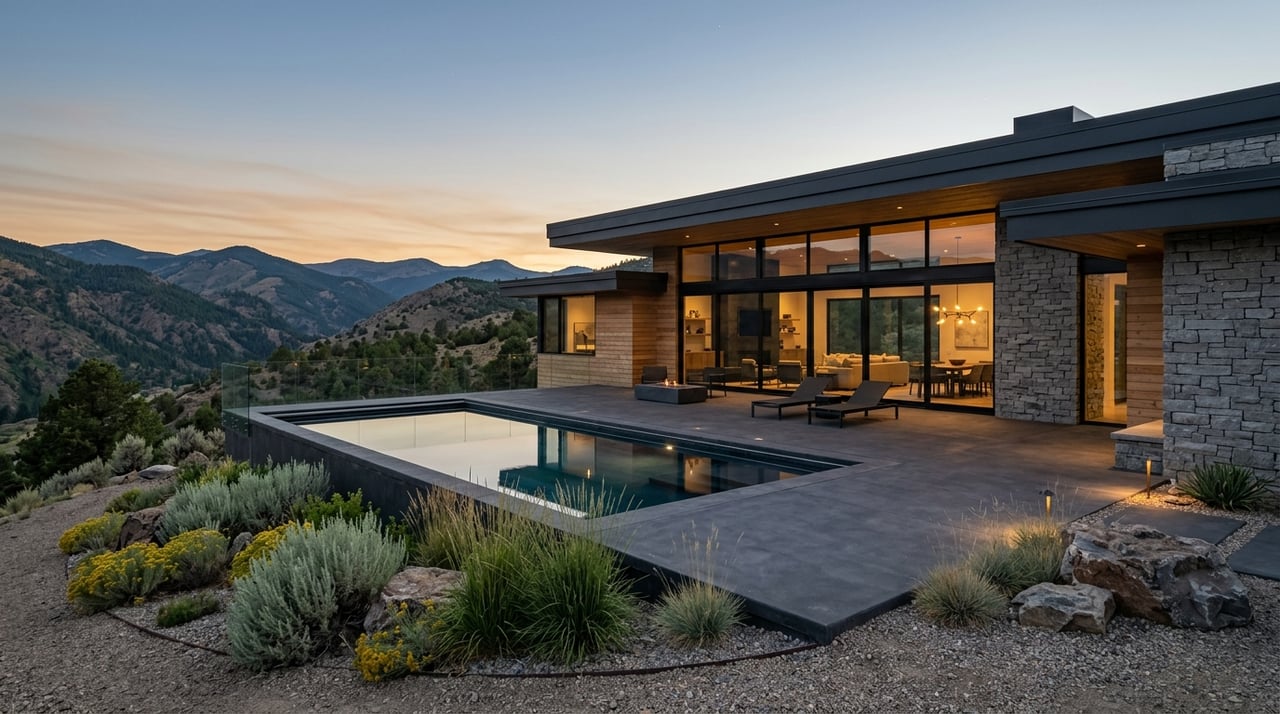
You may also see outdoor living spaces like decks, patios, and fenced yards. These features can matter both for day-to-day use and for resale, especially if you want space that adapts to remote work, guests, hobbies, or changing household needs.
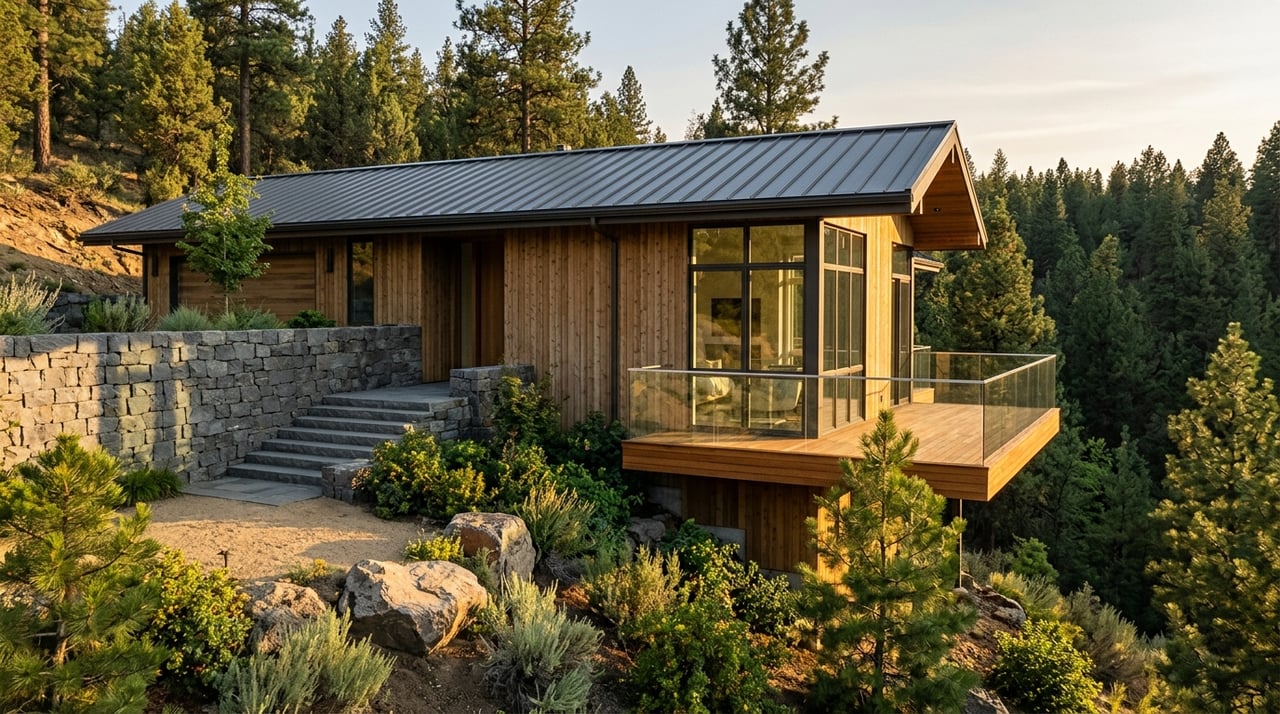
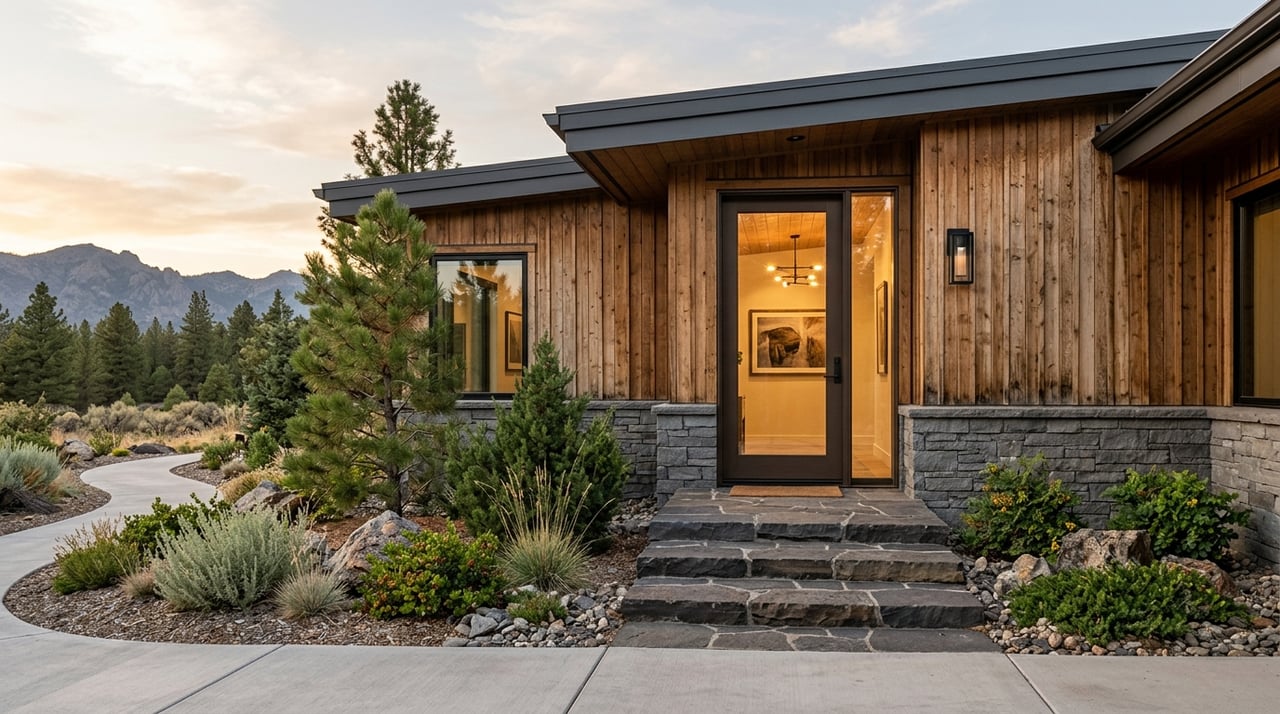
Styles in public listings include Craftsman, Northwest, contemporary, and mid-century modern influences. In practical terms, that gives you some range in design while still keeping the neighborhood rooted in a newer construction feel.
New construction advantages in Hidden Hills
Compared with many older homes in Bend, Hidden Hills offers a different kind of buying experience. You are more likely to find newer infrastructure, more current floor plans, and less friction tied to historic design constraints.
That stands in contrast to parts of older Bend where historic character may shape what can be built or changed. In Hidden Hills, the value proposition is typically more about modern livability, newer materials, and layouts that better match how many buyers live today.
For relocators especially, that can simplify the search. If you are moving from out of the area and want a home that feels move-in ready with fewer immediate updates, Hidden Hills may check a lot of boxes.
Builders and construction quality to review
One important point about Hidden Hills is that it is not a one-builder neighborhood in the examples shown through public listings. Builders mentioned include Stone Bridge Homes NW, AllyBrooke Homes, and custom-builder credits on certain properties.
That mix is important because not every new construction home should be evaluated the same way. Even in the same neighborhood, finish quality, warranty coverage, design choices, and performance features can vary from property to property.
Some homes also advertise Earth Advantage certification or Earth Advantage Gold Star. That can be a useful sign that a home was built with performance in mind, but you should still verify what applies to the specific property you are considering.
Ask for the full paper trail
When you buy newer construction, ask for more than a marketing sheet. You will want to review the finish schedule, builder warranty information, and any documentation that explains what materials, systems, and upgrades are actually included.
You should also ask whether the home was built as a spec home or with custom elements. That can help you understand how standardized the build was and whether certain details were selected for broad appeal or tailored for an original owner.
Confirm utility and service details
Some public listings note public water and public sewer, which is a positive sign for convenience and serviceability. Still, those details should be confirmed for the exact parcel rather than assumed based on nearby homes.
Deschutes County tools can help you check permit and record information, permit status, inspection history, and service-provider coverage. That kind of due diligence is especially helpful if you are buying remotely or trying to compare several similar homes.
Questions to ask before you buy
Buying new construction is not just about liking the floor plan. It is also about understanding the terms, restrictions, and long-term costs tied to the property.
Based on buyer guidance referenced in the research, here are smart questions to ask:
- Who built the home, and can you review recent buyer references?
- What warranty program comes with the property?
- Are there additional development fees tied to the sale?
- Is there an HOA, and if so, what do dues cover?
- Is landscaping included, partially included, or not included?
- Are there restrictive covenants recorded against the property?
- How much customization was allowed, if the home was not fully custom?
- Are there any builder deposit terms that matter if the home is not yet complete?
These questions can help you compare homes that may look similar online but differ in meaningful ways once you dig into the details.
Why inspections still matter on a new home
A new home is not the same thing as a flawless home. Even newer construction can have issues related to installation, finishing, drainage, mechanical systems, or incomplete punch-list work.
That is why an independent inspection is still worth scheduling as early as possible. If you can attend the inspection, you may get a much clearer understanding of how the home actually performs and what should be addressed before closing.
If major issues come up, that inspection can give you leverage in the transaction. It is one of the simplest ways to protect yourself, especially if you are buying a recently built resale that may no longer come directly from the builder.
Parcel-specific rules can affect your plans
One of the more important Hidden Hills details is that you should not assume every property has the same rule set. Recent listings often advertise no HOA or no HOA fees, but at least one property also specifically notes that short-term rentals are not allowed.
That means the right approach is to verify recorded rules for the exact parcel you want to buy. This matters if you may eventually rent the home, use it as a second home, or simply want a clear picture of what is and is not permitted.
For buyers with an investment lens, this step is especially important. A neighborhood can look flexible on the surface while still having parcel-level restrictions that shape your options later.
Features that may support resale value
No one can promise future appreciation, but some features in Hidden Hills show up repeatedly in public listing language and may influence buyer interest down the road. In this neighborhood, visible value drivers include lot position, views, outdoor upgrades, and performance-oriented features.
Examples in public listings mention views of Cascade mountains, Pilot Butte, or Alpenglow Park. Others call out fenced yards, decks, patios, bonus rooms, and Earth Advantage-related features.
There is also at least one listing that mentions ADU potential on a lot. As always, that kind of feature should be verified for the specific property, but it shows how lot utility can become part of the resale conversation.
Look beyond the house itself
When you compare homes, pay attention to more than square footage and finishes. Lot orientation, privacy, the relationship to open outlooks, and how the backyard lives can all shape your experience and future marketability.
In a newer neighborhood like Hidden Hills, two homes with similar floor plans can feel very different based on sun exposure, view lines, and outdoor usability. Those details often matter just as much as the countertops and paint colors.
A practical buying strategy for Hidden Hills
If you are serious about buying in Hidden Hills, it helps to evaluate each home through two lenses at the same time: lifestyle fit and long-term financial logic. That is where many buyers make better decisions.
A practical approach looks like this:
- Define your must-haves. Focus on layout, bedroom count, office needs, outdoor space, and lot size.
- Compare the parcel, not just the model. Review views, orientation, setbacks, and nearby surroundings.
- Review builder and warranty details. Look carefully at who built the home and what documentation is available.
- Check permits and inspection history. Use county tools to confirm the paper trail.
- Verify restrictions. Confirm HOA status, recorded covenants, and any rental or use limitations.
- Schedule an independent inspection. Treat new construction with the same discipline you would apply to any major purchase.
This kind of process is especially helpful if you are relocating to Bend or buying from out of town. It creates structure and helps you avoid making a fast decision based only on finishes or staging.
Buying new construction in Hidden Hills can be a smart move if you value newer homes, modern layouts, and a growing southeast Bend location near Alpenglow Park and key area improvements. The key is to stay specific. In this neighborhood, the builder, the lot, the paperwork, and the parcel-level rules all matter.
If you want help comparing homes in Hidden Hills or weighing new construction against other Bend options, David Holland can help you make a clear, well-informed decision.
FAQs
What is Hidden Hills in Bend like for homebuyers?
- Hidden Hills is a newer neighborhood in southeast Bend with single-family homes, suburban-sized lots, modern floor plans, and proximity to Alpenglow Park and recent area infrastructure improvements.
What types of homes are common in Hidden Hills Bend?
- Public listings show mostly three- and four-bedroom single-family homes, generally around 1,870 to just over 3,000 square feet, with two-car garages, open living areas, and outdoor spaces like decks, patios, or fenced yards.
Are all Hidden Hills homes built by the same builder?
- No. Public listings show a mix that includes Stone Bridge Homes NW, AllyBrooke Homes, and some custom-builder credits, so construction quality and documentation can vary by property.
Do you still need an inspection for new construction in Hidden Hills?
- Yes. An independent inspection can help identify issues with installation, finishes, or systems, and it can give you leverage if repairs or corrections are needed before closing.
Are there HOA fees or rental restrictions in Hidden Hills Bend?
- Some listings advertise no HOA or no HOA fees, but at least one listing notes that short-term rentals are not allowed, so you should verify the recorded rules for the exact parcel you are considering.
What should you verify before buying a new home in Hidden Hills?
- Review the builder warranty, finish schedule, permit and inspection history, utility details, any recorded covenants, possible HOA terms, and parcel-specific restrictions before you commit.